2026-05-11 ワシントン大学セントルイス校
ワシントン大学セントルイス校(WashU)の専門家は、資源を繰り返し利用する「サーキュラーエコノミー(循環型経済)」を大規模に実現するためには、技術革新だけでなく政策・産業・消費者行動を統合した仕組みが必要だと指摘した。記事では、廃棄物削減、リサイクル、再利用、製品寿命延長などを通じて資源消費と環境負荷を減らす循環型経済の重要性を解説。特に、プラスチックや電子機器、建築材料などで循環設計を導入することで、温室効果ガス排出や資源採掘依存を大幅に減らせる可能性が示された。一方で、現状では回収インフラ不足や経済的インセンティブの欠如が普及の障壁になっているという。研究者は、企業間連携や政府支援、消費者意識改革を組み合わせることが、循環型社会移行の鍵になると強調している。記事は、持続可能な経済モデルへの転換に向けた社会実装の課題と方向性を示す内容となっている。
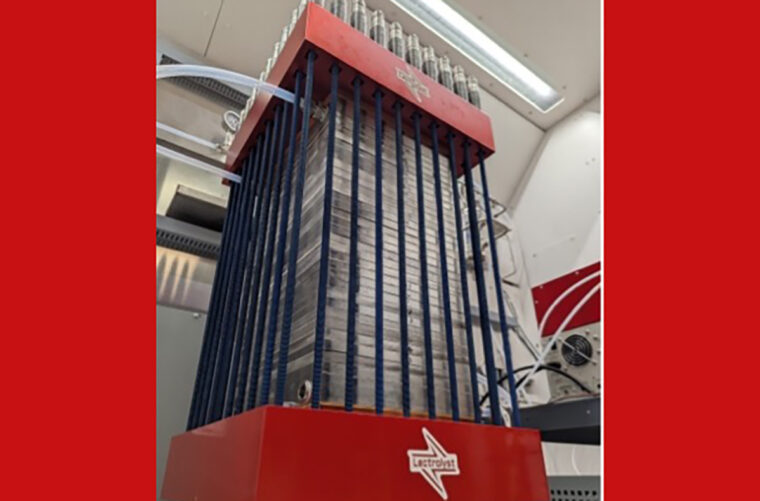
WashU engineer Feng Jiao has been working to make carbon conversion technologies more scalable for industry. Pictured is a “stack” design of a CO2 electrolyzer that can convert waste carbon into other useful chemicals. (Photo: Feng Jiao)
<関連情報>
- https://source.washu.edu/2026/05/washu-expert-scaling-up-the-circular-economy/
- https://www.nature.com/articles/s44286-026-00378-z
COおよびCO₂電解におけるスタックレベルの課題
Stack-level challenges for CO and CO2 electrolysis
Bradie S. Crandall,Gregory S. Hutchings & Feng Jiao
Nature Chemical Engineering Published:22 April 2026
DOI:https://doi.org/10.1038/s44286-026-00378-z
CO and CO2 electrolysis have progressed rapidly from laboratory test cells to pilot-scale stacks. This Comment argues that the field must now shift focus to confront the unique engineering and deployment challenges of stack-scale systems, which represent a decisive frontier for achieving commercialization and climate impact.