
2026-08-26 カリフォルニア大学ロサンゼルス校(UCLA)
Wikimedia Commons
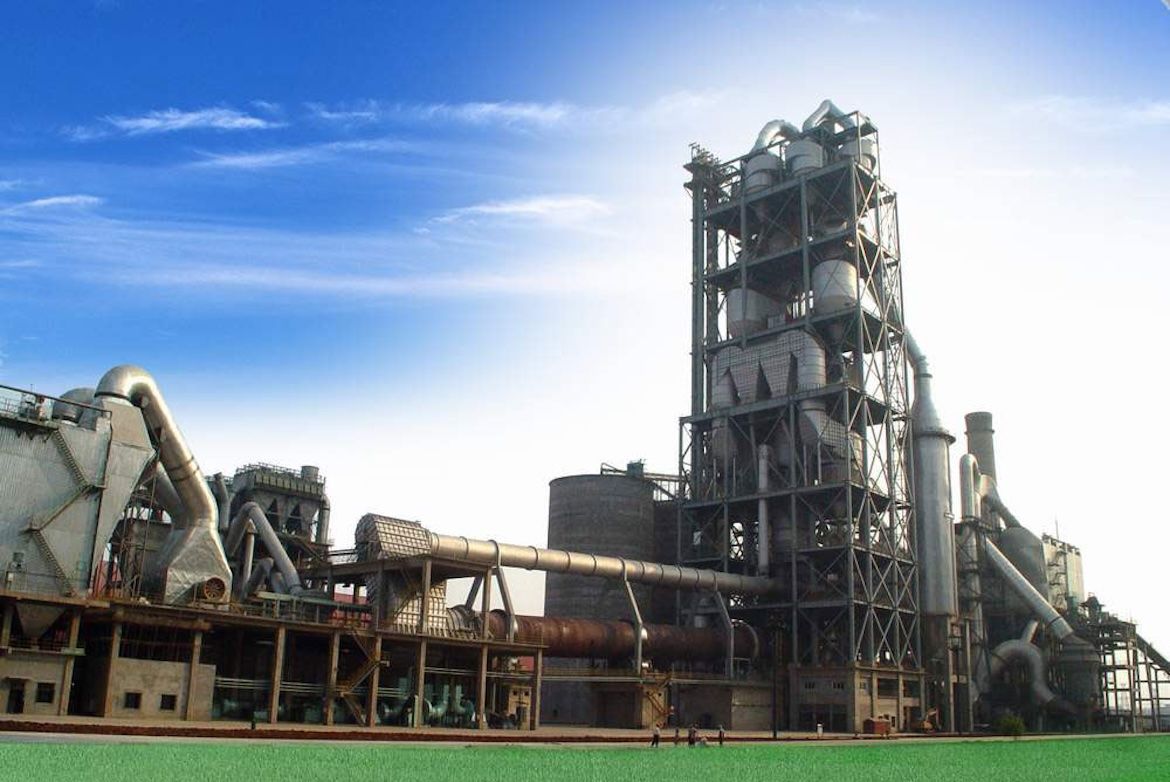
A cement plant: Cement production generates roughly 10% of global carbon dioxide emissions — far more than concrete can naturally reabsorb over its lifetime, researchers say.
<関連情報>
- https://newsroom.ucla.edu/releases/concrete-absorbs-carbon-dioxide-not-enough-cement-production
- https://www.nature.com/articles/s44458-026-00116-9
常温でのコンクリートの炭酸化は、セメント製造からの二酸化炭素排出量の削減にほとんど寄与しない Ambient concrete carbonation is a trivial contributor in mitigating carbon dioxide emissions from cement production
Rui Xiao,Dale Prentice,Manas Sarkar,Aditya Kumar,Fabian Rosner,Narayanan Neithalath,Erika La Plante,Mathieu Bauchy & Gaurav Sant
Nature Sustainability Published:25 July 2026
DOI:https://doi.org/10.1038/s44458-026-00116-9
Abstract
Ambient carbonation—the passive uptake of atmospheric carbon dioxide into the alkaline pore solution of concrete—has been proposed to mitigate carbon dioxide emissions from cement production. Herein, we apply thermodynamic and diffusion-based analyses within a Monte Carlo framework to evaluate the extent and rate of ambient carbonation across concrete formulations and geometries (i.e., described by their surface-to-volume ratio, ranging between 0.01-to-80, /m), globally. The analysis indicates that, by 2030, the carbonation of concrete placed in service, globally, under ambient conditions, is projected to uptake around 0.23 gigatonnes annually (i.e., <10% of annual cement clinker emissions). Thus, the amount of carbon dioxide sequestered by ambient carbonation is negligible compared to the quantities emitted during cement production. Importantly, this analysis underscores the importance of prioritizing near-term industrial decarbonization and of advancing intentional climate change mitigation solutions that deliver meaningful and timely reductions in anthropogenic carbon dioxide emissions.

