20206-05-28 マサチューセッツ工科大学(MIT)
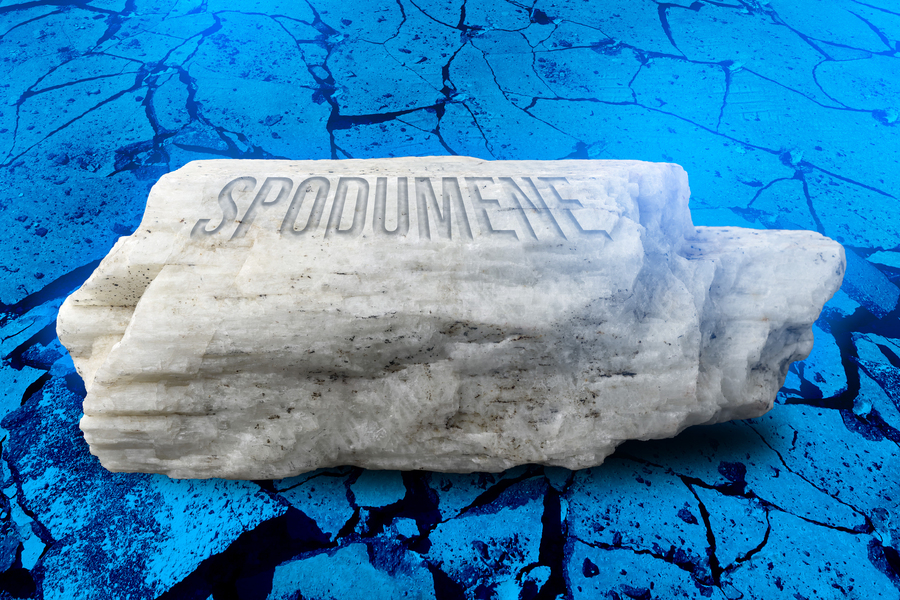
MIT researchers developed a low-temperature process for extracting battery-grade lithium from the common mineral spodumene. Credit: MIT News; iStock
<関連情報>
- https://news.mit.edu/2026/mit-researchers-develop-low-cost-technique-lithium-from-rocks-0528
- https://www.science.org/doi/10.1126/science.aec4652
リチウム鉱石濃縮物を電池原料および汎用製品に有効活用する Valorization of lithium hardrock concentrates into battery raw materials and commodity products
Benjamin A. W. Mowbray, Camden Hunt, Kalyn M. Fuelling, Jacqueline Prawira, […] , and Yet-Ming Chiang
Science Published:28 May 2026
DOI:https://doi.org/10.1126/science.aec4652
Editor’s summary
The extraction of elements such as lithium and aluminum can require energy-intensive and complex separation processes that may also require large quantities of hydrofluoric acid. Mowbray et al. developed a series of processes that use aqueous ammonium fluoride to simultaneously extract lithium from concentrated α-spodumene while converting the waste stream silicates into valuable products including silica and alumina (see the Perspective by Lee and Manthiram). The closed-loop nature of the processes enables regeneration of the reagents, thus reducing the overall economic costs and environmental footprint. —Marc S. Lavine
Abstract
The production of lithium chemicals needs to increase to meet rising demand for lithium batteries. Spodumene [LiAl(SiO3)2] is an abundant mineral source of lithium, but its extraction is not cost-competitive with brine resources. Current spodumene-refining methods are energy- and waste-intensive, requiring high-temperature roasting (>1000°C) and chemical leaching. We demonstrate a low-temperature, near-zero-waste process that converts α-spodumene into battery-grade lithium carbonate (Li2CO3), smelter-grade alumina (Al2O3), and cementitious silica (SiO2). Aqueous ammonium fluoride (NH4F) is used as the reagent to solubilize the mineral feedstock at <100°C in a closed-loop process that regenerates the reagent. Techno-economic analysis indicates that this approach may reduce the cost of producing lithium from α-spodumene by >40% and enable cost parity with brines.