2026-02-06 マサチューセッツ工科大学(MIT)
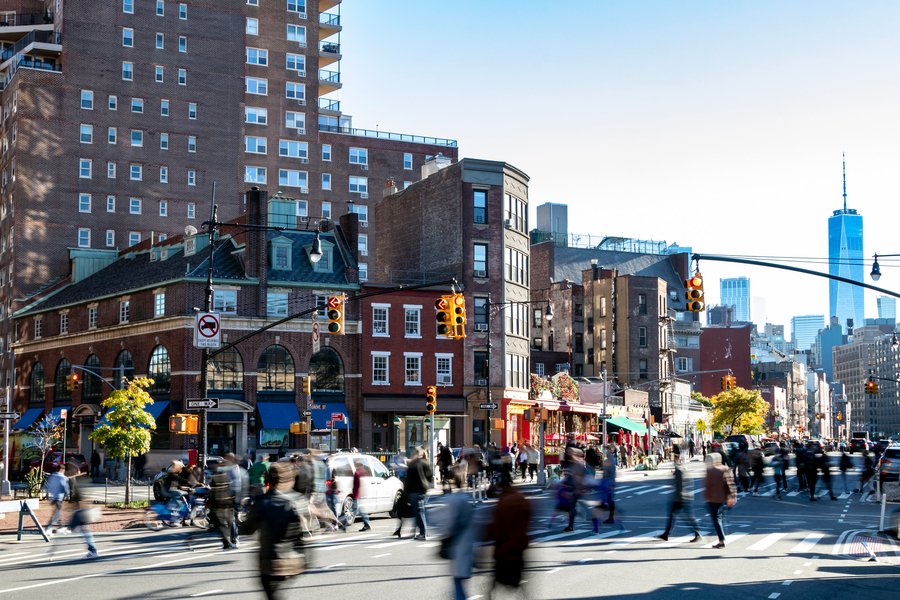
An MIT research group has assembled a routable dataset of sidewalks, crosswalks, and footpaths for all of New York City — a massive mapping project and the first complete model of pedestrian activity in any U.S. city.Credit: iStock
<関連情報>
- https://news.mit.edu/2026/new-model-maps-foot-traffic-new-york-city-0206
- https://www.nature.com/articles/s44284-025-00383-y
ニューヨーク市における歩行者の空間分布と都市計画への応用 Spatial distribution of foot traffic in New York City and applications for urban planning
Andres Sevtsuk,Rounaq Basu,Liu Liu,Abdulaziz Alhassan & Justin Kollar
Nature Cities Published:06 February 2026
DOI:https://doi.org/10.1038/s44284-025-00383-y
Abstract
Walking is the most prevalent yet least systematically measured mode of urban travel. We present a first city-wide foot-traffic model for peak travel periods in New York City and examine the model’s use as a baseline for targeted infrastructure investments and hazard analysis in urban planning. Comparing estimated pedestrian volumes with the city’s official street classifications shows that many streets in the outer boroughs experience foot-traffic levels comparable with those in central Manhattan but remain undercategorized for pedestrian priority, highlighting potential inequities in infrastructure investment. Linking pedestrian volumes with crash data further shows that intersections with the highest pedestrian injury risk are often outside Manhattan, where exposure-adjusted danger is the greatest. Our findings demonstrate how a systematic analysis of pedestrian volumes can uncover hidden patterns of accessibility, inequity and risk, providing a foundation for more inclusive and evidence-based urban design and policy.