2025-11-28 ロイヤルメルボルン工科大学(RMIT)
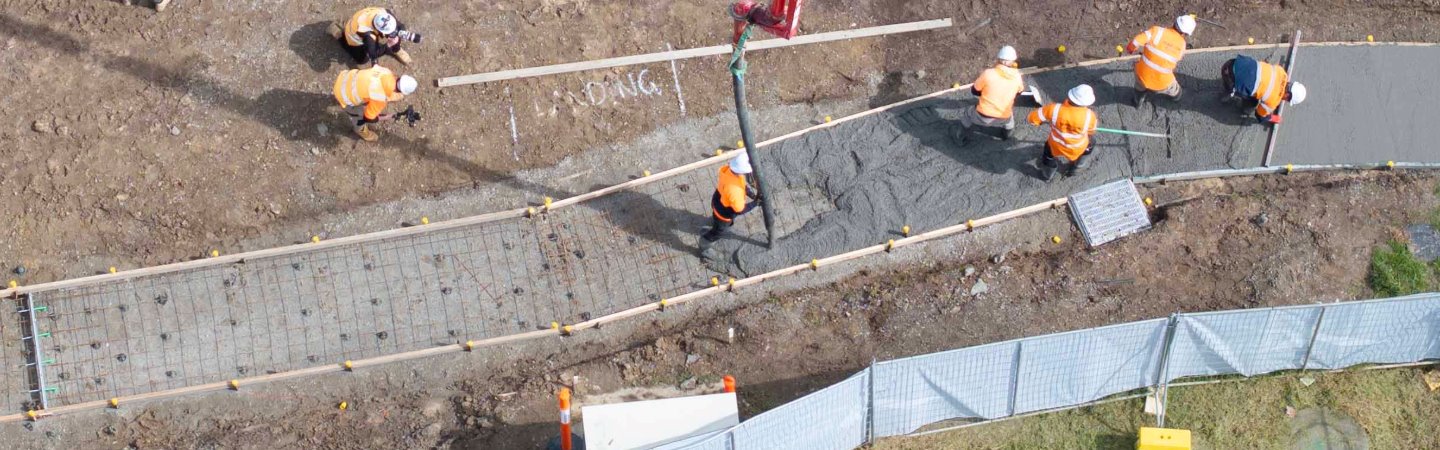
<関連情報>
- https://www.rmit.edu.au/news/all-news/2025/nov/low-carbon-coffee-concrete
- https://www.tandfonline.com/doi/full/10.1080/15623599.2025.2584549
使用済みコーヒーかすバイオ炭を使用したコンクリートの二酸化炭素排出量削減:ライフサイクルの観点 Carbon footprint reduction in concrete using spent coffee grounds biochar: a life cycle perspective
Jingxuan Zhang,Mohammad Saberiana ,Rajeev Roychand,Jie Li,Chun-Qing Li,Guomin Zhang & …
International Journal of Construction Management Published:07 Nov 2025
DOI:https://doi.org/10.1080/15623599.2025.2584549
Abstract
The construction industry’s environmental footprint, particularly from concrete production, poses a significant global challenge due to high carbon emissions and extensive resource consumption. This study presents a novel approach by integrating biochar derived from spent coffee grounds (SCG) into concrete, addressing both the environmental impact of concrete and the management of organic waste. The key novelty lies in conducting the first comprehensive Life Cycle Assessment (LCA) of SCG biochar in concrete, offering new insights into its potential as a sustainable construction material. In this study, the LCA was conducted using SimaPro software and the ReCiPe Midpoint (H) method, covering impact categories such as climate change, fossil depletion, human toxicity, and freshwater ecotoxicity. Results indicated that incorporating SCG biochar at replacement levels of 5–15% can substantially reduce environmental impacts, achieving up to a 23.2% reduction in CO2 emissions. However, the content above 15% yielded diminishing benefits, emphasizing the importance of optimal dosage. This study demonstrates the dual benefits of SCG biochar, offering a sustainable approach to reducing concrete’s carbon footprint and enhancing waste valorization in line with circular economy goals.