2025-08-06 ペンシルベニア州立大学(Penn State)
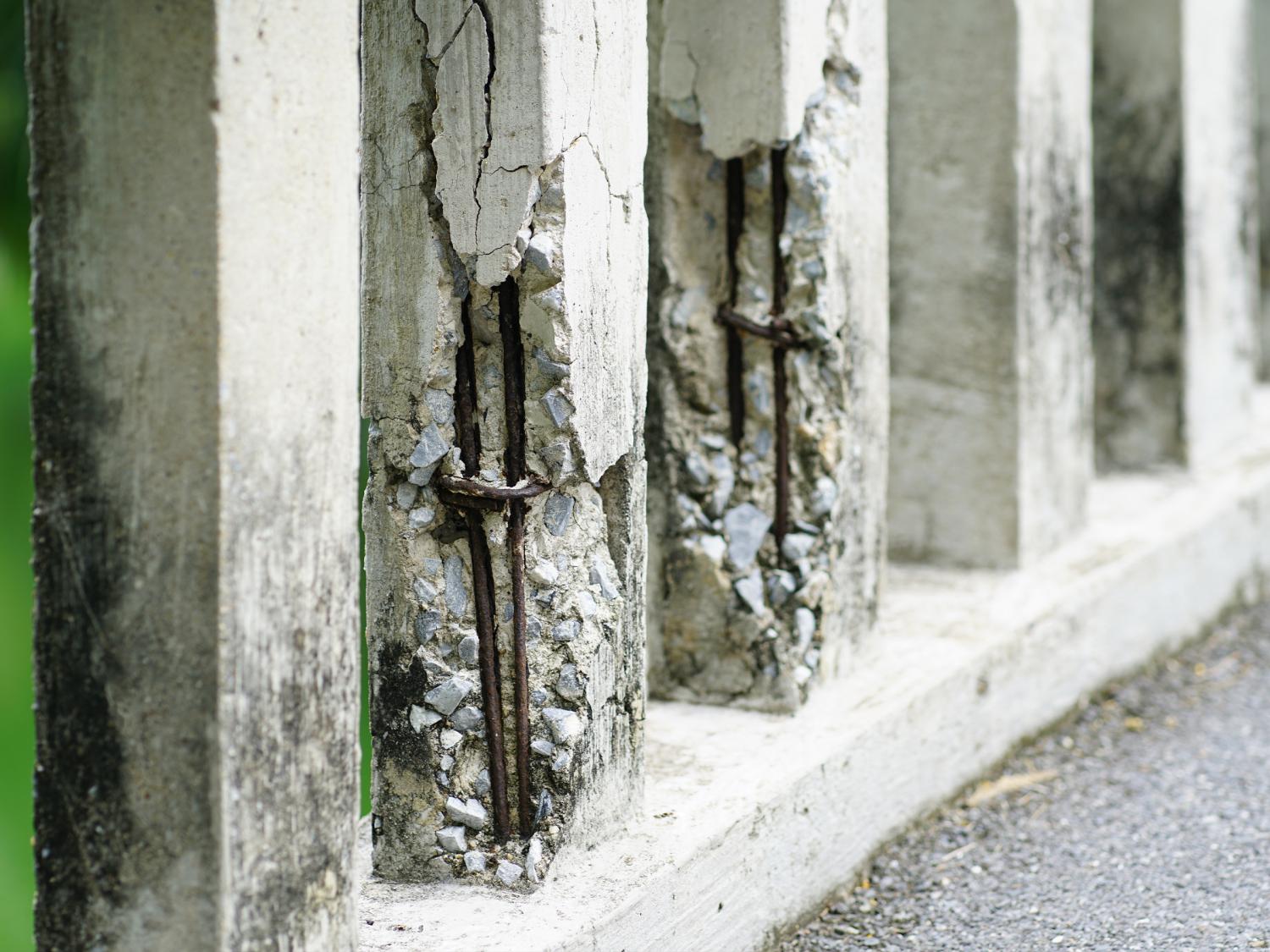
Iron sulfide minerals, which can be found across Pennsylvania, can quickly deteriorate concrete structures, according to a group of researchers at Penn State and the University of Georgia. Credit: AgFang/iStock . All Rights Reserved.
<関連情報>
- https://www.psu.edu/news/engineering/story/qa-can-minerals-compromise-concrete-structures
- https://www.sciencedirect.com/science/article/abs/pii/S0008884625000699
アルカリ溶液中の鉄硫化物鉱物の溶解動力学 Dissolution kinetics of iron sulfide minerals in alkaline solutions
Zhanzhao Li, Christopher A. Gorski, Aaron Thompson, Jeffrey R. Shallenberger, Gopakumar Kaladharan, Aleksandra Radlińska
Cement and Concrete Research Available online: 11 March 2025
DOI:https://doi.org/10.1016/j.cemconres.2025.107850
Abstract
Deleterious aggregate reactions induced by iron sulfide minerals, especially pyrrhotite and pyrite, have devastated concrete structures across many global regions. While these minerals have been extensively studied under acidic conditions, their behavior in alkaline environments, such as concrete, remains poorly understood. This study investigates the kinetics and mechanisms of iron sulfide dissolution at high pH (13–14). Results revealed that pyrrhotite dissolves orders of magnitude more rapidly than pyrite, with dissolution rates increasing with both pH and temperature. The type of alkali (potassium or sodium) in the solution was not found to affect the dissolution behavior. Kinetic modeling and experimental characterization indicated that the dissolution kinetics of pyrrhotite is controlled by a combination of chemical reactions (oxidation of iron and sulfur species) and diffusion (through an Fe(III)-(oxy)hydroxide layer). These findings provide practical insights into controlling dissolution and mitigating iron sulfide-induced damage in concrete.